

Quiet luxury lasts longer than logo luxury because it spends its budget on fabric, cut and colour discipline instead of on a visible mark. Logo luxury sells the badge; once the trend or the logo cools, the garment loses its reason to be worn. Quiet luxury sells the object — a well-shaped knit in a neutral that fits your climate and your wardrobe for years. For shoppers in Singapore and Malaysia, where heat and humidity already shorten a garment's useful life, that gap shows up faster: a breathable fine-gauge knit you actually reach for beats a statement piece that sits in the drawer. This guide compares the two approaches on cost, durability, resale and everyday wear, and shows where a quiet-luxury wardrobe is worth building.
What is quiet luxury, exactly?
Quiet luxury is a way of dressing that signals taste through the garment itself rather than through a brand name. The attention goes into things a buyer can feel and wear: the weight of the yarn, the cleanliness of a seam, the way a colour sits against the skin. There are no loud logos, no oversized lettering, no seasonal gimmicks. The idea is that a piece should earn its place by being useful and well made, not by advertising where it came from.
In practice, quiet luxury reads as restraint. A fine-gauge knit cardigan in apricot, a two-piece knit set in oatmeal, a crew-neck cardigan in khaki — these are clothes you can wear to work, to dinner and on a weekend without thinking about it. They are built to be worn often, which is the whole point. At RUIJIN, the in-residence label at RQFashion, the range is designed around exactly this: natural-forward fibres, warm neutral tones and shapes that stay relevant past one season.
What is logo luxury?
Logo luxury is the opposite trade. The product's value is tied to a visible identifier — a monogram, a strap, a repeated print — that tells everyone the item is from a specific house. The craft may still be real, but a large part of what you pay for is the signalling. The garment's status depends on the badge staying in fashion, and fashion moves.
The risk is depreciation by association. When a logo falls out of favour, the piece loses the very thing you paid for, even if the fabric is intact. That is not a moral judgement about the clothes; it is a practical one about how long they stay in rotation. A logo piece can be a joy to own. It is simply a different bet than a quiet-luxury piece, and the two should not be confused when you are deciding what to buy.
Which approach costs more over time?
On the receipt, logo luxury often costs more up front. On the wardrobe, quiet luxury usually costs less per wear. The maths is straightforward: a piece you wear forty times is cheaper per outing than a piece you wear four times, regardless of which had the higher tag.
This is where the RUIJIN price points matter. A cotton cable-knit crew-neck top at USD 38.00 and a short-sleeve knit cardigan at USD 38.67 sit in a range where buying two quiet-luxury knits costs less than one logo entry piece — and each of them is designed to be worn dozens of times across a tropical year. Cost per wear is the honest way to compare the two worlds, and quiet luxury tends to win it.
Does quiet luxury actually last longer?
The garments themselves do not last longer by magic, but the wardrobe does, for two reasons. First, quiet-luxury pieces are chosen to be versatile, so they get worn instead of archived. Second, because they are not pegged to a trending logo, they do not fall out of favour on someone else's schedule. A clean knit in a neutral tone looks current in year one and year five.
Logo luxury can be built just as well, sometimes better, but its relevance is borrowed from the brand's calendar. When that calendar turns, the piece can feel dated while the fabric is still good. So "lasts longer" is really about how long the item stays worth wearing, not how long the cloth holds together. On that measure, the quiet-luxury approach is the steadier one.
Which is better for a tropical climate like Singapore or Malaysia?
For hot, humid weather, quiet luxury has a clear edge, and it comes down to fabric and function. Logos rarely make a garment cooler; a breathable natural-forward knit does. Fine-gauge cotton and cotton-linen blends move air and sit light on the skin, which is what a Singapore or Malaysia wardrobe actually needs from April to December.
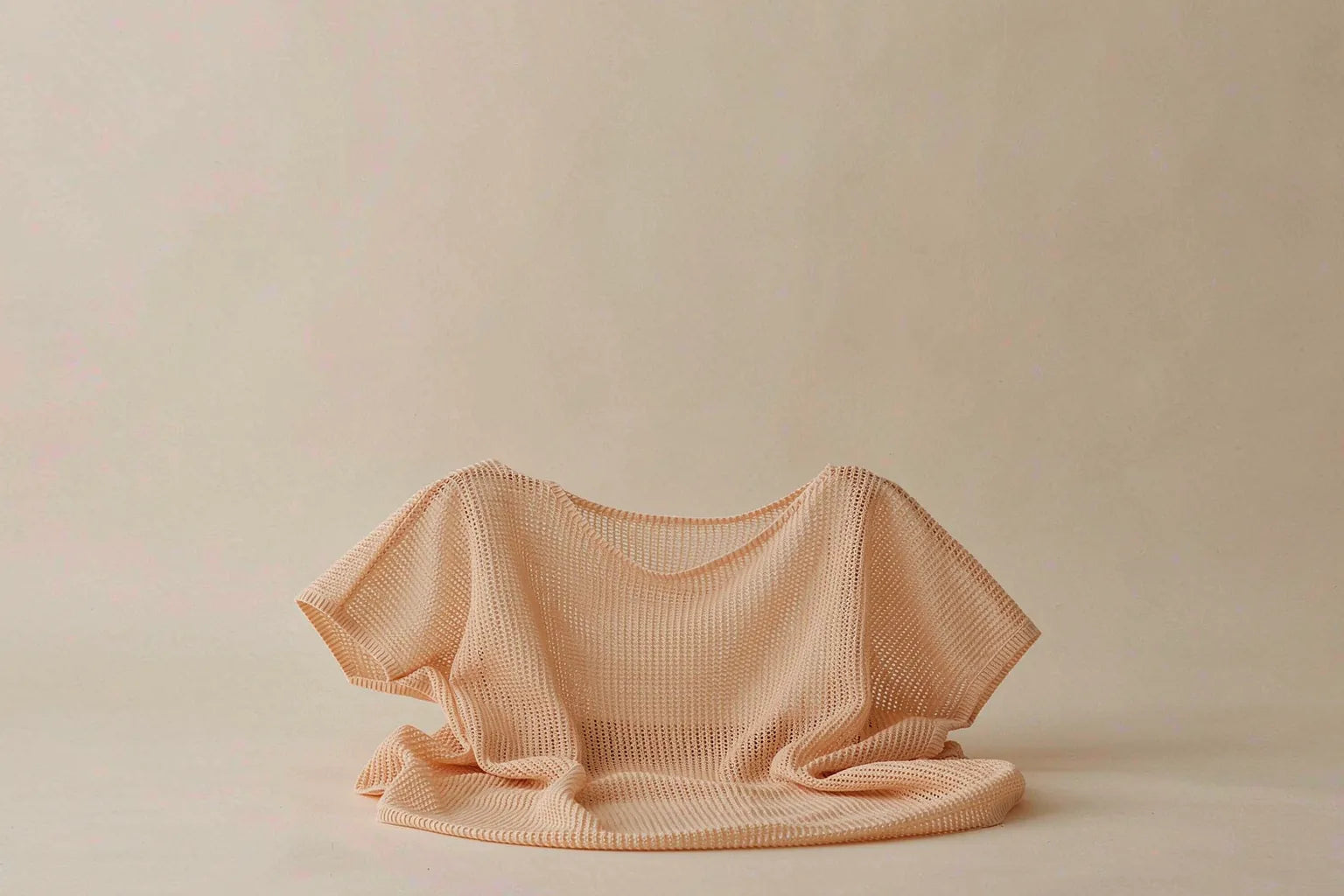
A knit two-piece set in oatmeal is a good example: it layers for air-conditioned offices and separates for weekends, all in a fibre mix that suits the climate. Quiet luxury's habit of investing in the material rather than the mark pays off most where the weather is hardest on clothes.
How can you spot quiet luxury without a logo?
You look for the things a logo is supposed to distract you from. Consistent, even stitching. A fabric with natural drape and a little weight. Colours that are considered rather than loud. Hardware that is minimal or absent. A shape that flatters without relying on a brand name to carry it.
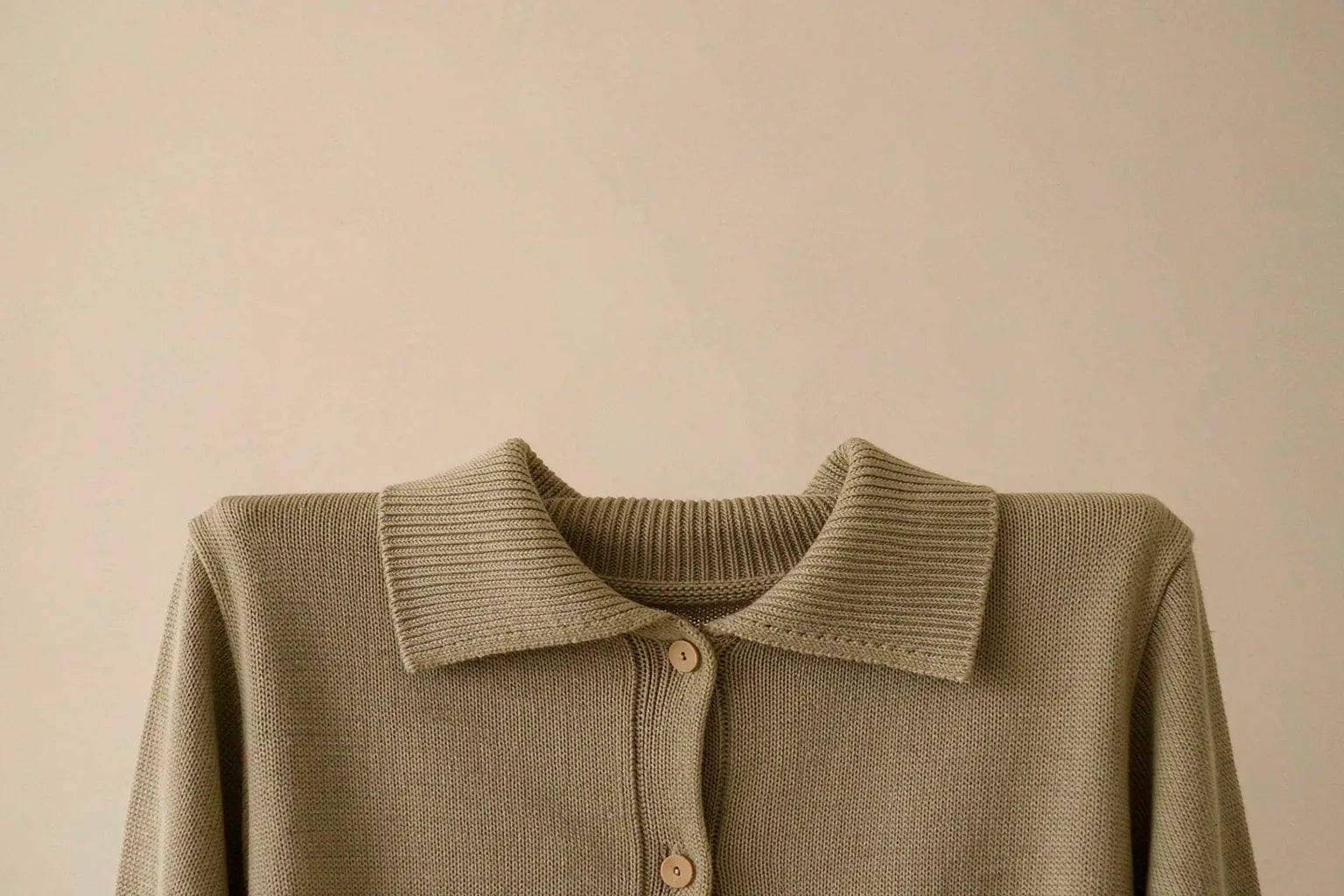
It helps to shop by construction rather than by name. When you open a product page, read the fibre content and look at the cut. A crew-neck knit cardigan in khaki earns its place through shape and tone, not a printed label. The absence of a logo is not the absence of quality; in quiet luxury, it is usually the result of confidence in the garment.
Is quiet luxury worth the price?
It is worth it when you buy for wear, not for show. If your goal is a small wardrobe of pieces you reach for constantly, quiet luxury gives you more value per dollar than almost any logo-driven alternative. The trade-off is that you do not get the social signal of a recognizable mark, and for some buyers that signal is the point.
Worth is personal. A useful test: imagine wearing the piece ten times in the next three months. If you can see those outfits clearly, the quiet-luxury piece is likely worth it. If you cannot picture it past the first wear, the money is probably better spent elsewhere — and that is true of logos and quiet pieces alike.
Which should you build your wardrobe around?
Build around quiet luxury for the backbone and keep logo pieces as accents, if you enjoy them. The backbone — knits, neutral separates, a reliable cardigan — should be the things you wear most, so they should be the things built to last and to pair with everything. A small number of considered logo items can add personality without taking over.
For a tropical buyer, the efficient path is a few quiet-luxury knits in warm neutrals, then a couple of accent pieces on top. Browse the full RQFashion collection to see how the neutrals layer, and check shipping and returns before ordering across Singapore and Malaysia.
| Dimension | Quiet luxury | Logo luxury |
|---|---|---|
| What you pay for | Fabric, cut, colour | Brand signal and status |
| Trend cycle | Slow — stays relevant for years | Fast — tied to the house calendar |
| Cost per wear | Usually low (worn often) | Often high (worn less) |
| Resale | Steady for classics, niche | Strong for a few iconic badges |
| Versatility | High — pairs with everything | Lower — carries a fixed look |
| Ideal for | Everyday backbone of a wardrobe | Statement moments and signalling |
Quiet luxury vs logo luxury: what do shoppers ask most?
Is quiet luxury the same as old money style?
They overlap but are not identical. Old money style is a cultural reference — clothes associated with inherited wealth and restraint. Quiet luxury is a buying philosophy focused on quality over branding. You can dress in quiet luxury without any old money intent, and many quiet-luxury buyers simply want durable, versatile clothes.
Can a quiet-luxury piece have any branding at all?
Yes. Quiet luxury is about restraint, not anonymity. A small, discreet label or a subtle hardware detail is normal. What it avoids is the large, obvious logo that does the styling for you. The brand can be present; it just should not be the whole point of the garment.
Why does quiet luxury sometimes cost more than a logo item?
When it does, the cost is usually in the material — denser yarns, better mills, more considered construction. But plenty of quiet-luxury pieces cost less than logo entry items, because you are not paying a premium for the badge. Price alone does not tell the two apart; fabric and wearability do.
Does quiet luxury hold its resale value?
Resale is stronger for a handful of famous quiet-luxury houses than for unknown ones. For an everyday label like RUIJIN, the value is in wear, not resale — you save by reaching for the piece often, not by selling it later. Treat quiet luxury as a use-it asset, not an investment to flip.
Is quiet luxury only for neutral colours?
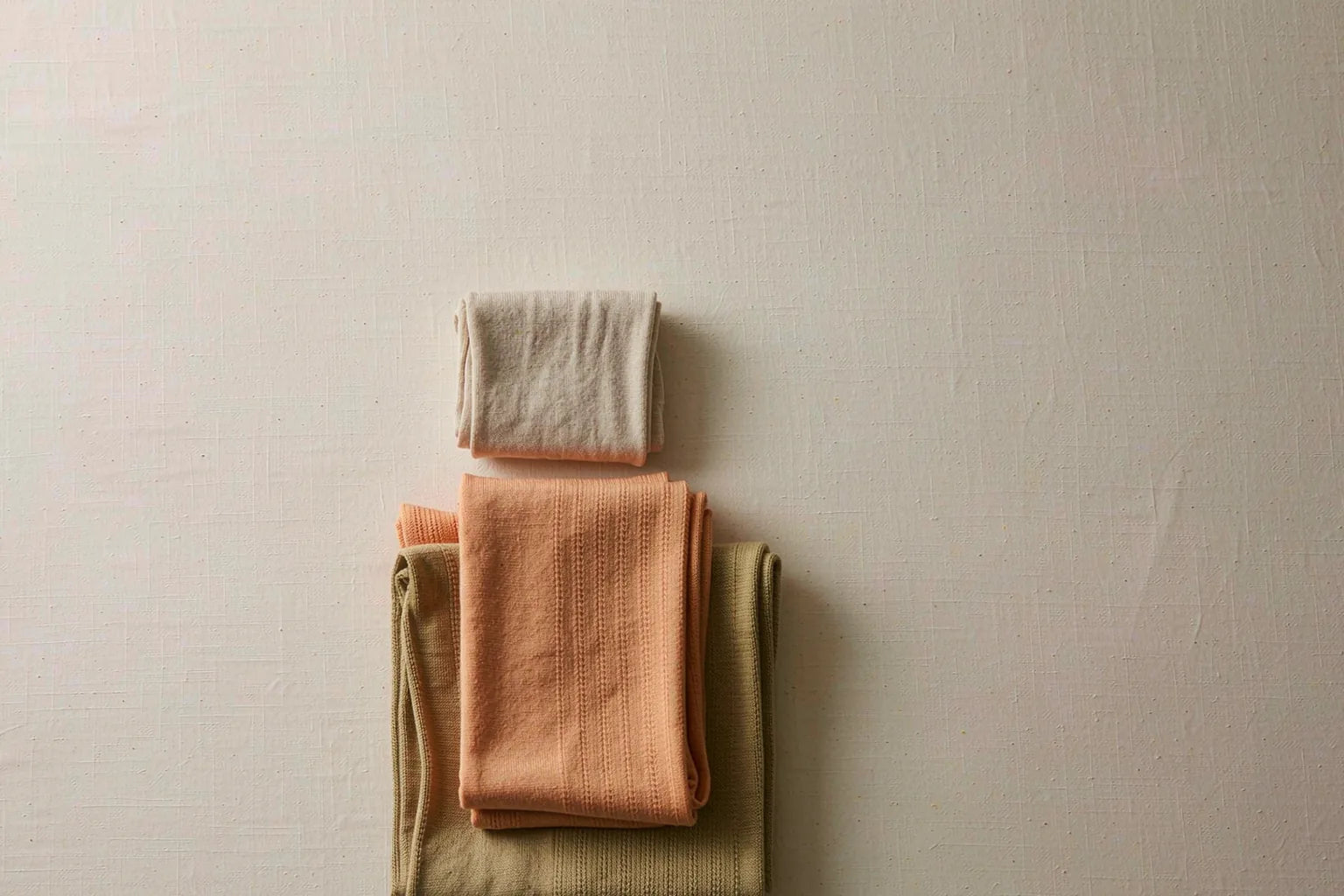
No, but neutrals are the common language because they pair endlessly and read as calm. Warm tones like apricot, oatmeal and khaki are a natural fit for a tropical quiet-luxury wardrobe, which is exactly the direction the RUIJIN range takes. Colour is allowed; loud, trend-bound colour is what quiet luxury generally skips.
Build the backbone first. Start with a few quiet-luxury knits in warm neutrals from RUIJIN at RQFashion, then add accents as you like. Check shipping and 30-day returns for Singapore and Malaysia before you order.
0 comments